A move is freight. Treat it like one.
Stowage reads a house move the way a loading dock reads a truck — by weight, density, and order, not by which room a box came from. This is where we file what we learn about packing a home the way freight gets packed: on purpose.

FILED
The Log
9 Entries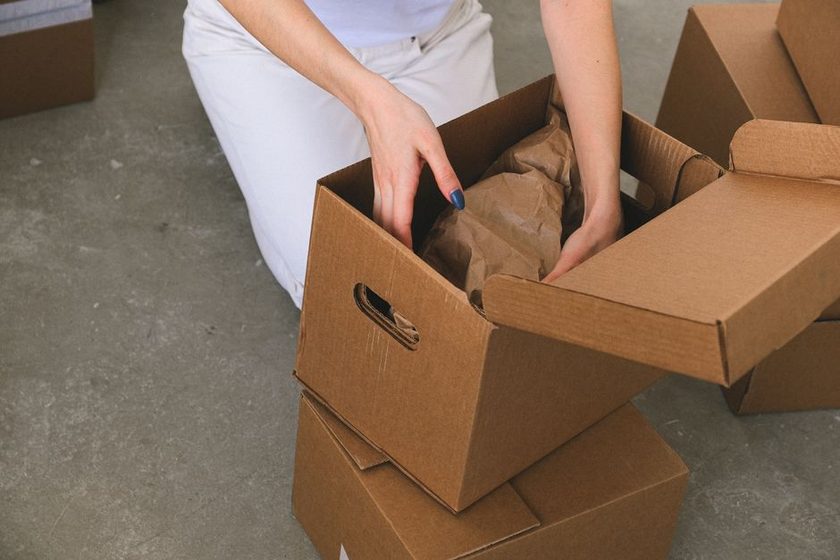
Cargo Logic for Closets
Why closets pack better when you think in stacking order instead of hanging space.
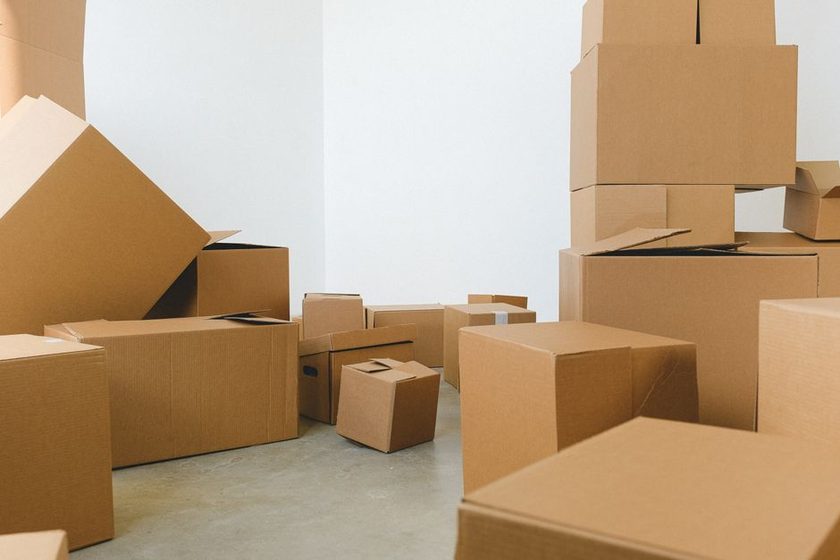
The Weight, Not the Room
The habit of packing by room quietly overloads the boxes that matter most on moving day.
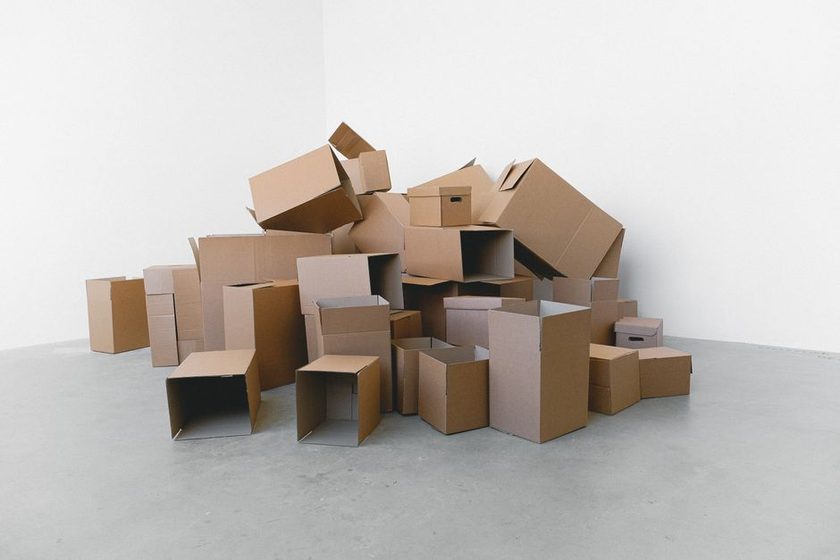
Density Per Box, Explained
A box that looks full and a box that is full by weight are two different problems.
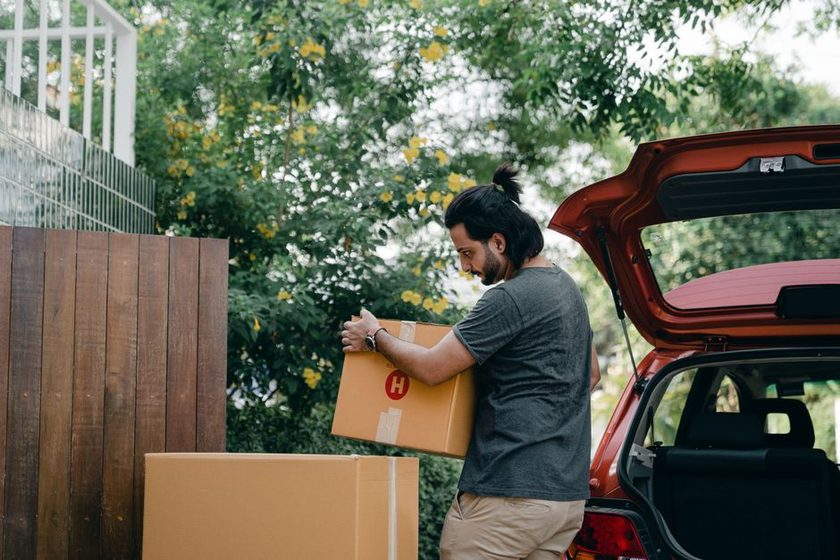
Reading the Truck Bed Before You Load It
The floor of a moving truck is a diagram, if you read it before the first box goes in.

The Kitchen Manifest
Kitchens generate more small, dense items than any other room — which is exactly why they need a manifest.

The Hallway as a Shipping Corridor
Every home has a single best route from door to truck. Most people never map it.
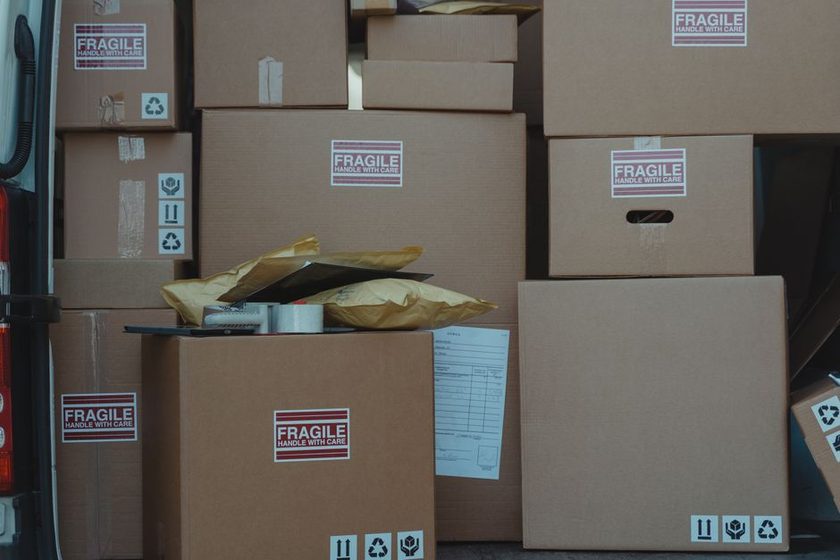
A Stacking Order for Fragile Loads
Fragile doesn't mean light, and light doesn't mean it goes on top.
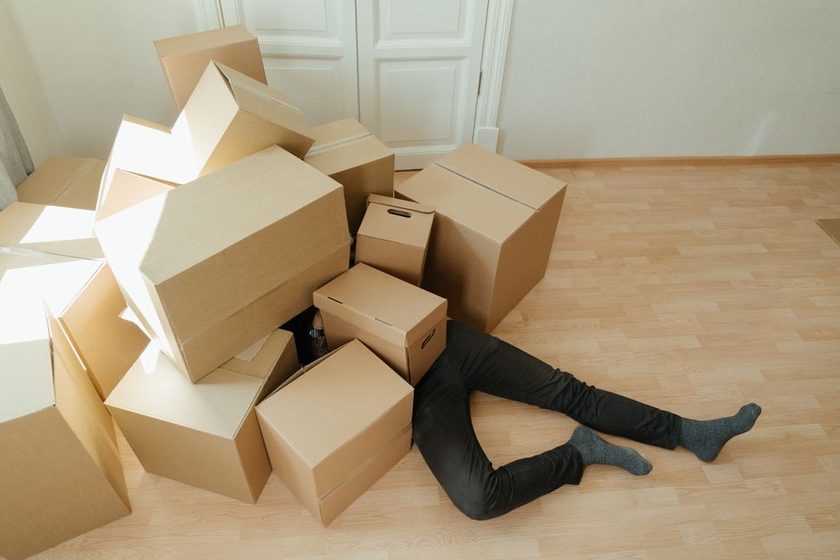
The Last-Box Problem
The final box of any move is always the hardest one to plan for — and the first one you'll want back.

Labeling Like a Manifest, Not a Guess
A label that only says the room name tells you nothing about what's inside or where it goes first.
Packslip turns a room into a manifest.
Packslip is the planning tool we built alongside this site — a way to log each box's weight class, destination room, and load position before the truck ever shows up. It's the app version of the process this blog writes about.
Weekly dispatch
One short note on load order and packing logic, most Fridays.
About this log
Stowage started as a set of field notes from people who move things for a living — the loading order they use, the way they judge a box before they lift it, the routes they walk without thinking twice. We write it down so the rest of us can borrow the logic once, instead of relearning it during every move.